


When it comes to diesel engines, they’re known for their torque, dependability, and ability to do hard jobs that gasoline engines can’t. While both engines function in similar ways, diesel engines have several differences that make understanding diesel care very important.
Routine maintenance is crucial for any vehicle, but diesel engines, in particular, require attention to specific components to maintain their superior performance. Neglecting regular care can result in decreased fuel efficiency and an increased risk of costly repairs. In this article, we’re going to go through an in-depth diesel maintenance checklist.
What Makes Diesels Different?
The primary difference between a diesel engine and a gasoline engine is how the fuel is ignited. Diesel engines rely on internal combustion that operates using diesel fuel. It’s important to understand this process. Here’s a breakdown of a functioning diesel engine.
The intake stroke starts as the intake valve opens, letting air into the combustion chamber. Then, the compression stroke moves the piston up, compressing the air in the cylinder at high pressure. Once the air is compressed, diesel fuel is injected directly into the cylinder at high pressure. This causes the fuel to ignite. The power stroke forces the piston down, generating power to turn the crankshaft and drive the vehicle.

Diesel Engine Maintenance Checklist
Check Oil and Replace Regularly
We recommend changing your diesel engine’s oil every 3,000 miles, or following the manufacturer’s recommended intervals if they differ. Diesel engines operate under high pressure and temperature, causing oil to degrade faster than in gasoline engines. Regular oil changes help maintain proper lubrication, reduce internal friction, and remove contaminants that can accumulate over time.
Inspect Fuel System
Clean or replace fuel filters as recommended. Clogged filters can affect engine performance and lead to fuel system issues.
Monitor Coolant Level
Check coolant levels regularly to ensure the engine stays within optimal operating temperatures and to prevent overheating, which can cause severe engine damage. In addition to checking the coolant reservoir, inspect for leaks or discoloration that may indicate contamination or a failing component. It’s also important to use the correct type and mixture of coolant recommended by your manufacturer for the best results.
Check Belts and Hoses
Inspect belts and hoses for wear and replace them if necessary. A snapped belt or cracked hose can lead to engine damage or overheating.
Test the Battery
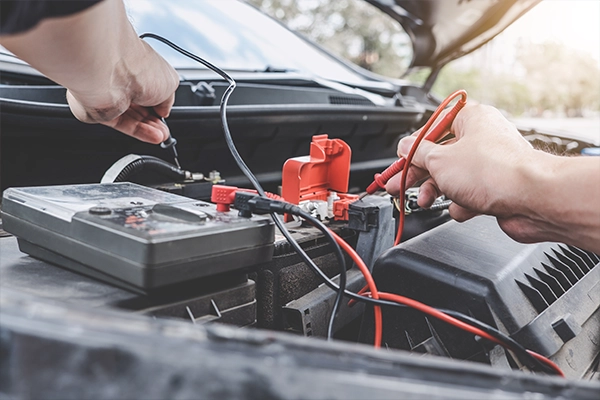
Diesel trucks rely on powerful batteries to start the engine. A weak or failing battery can leave you stranded, so it’s important to test your battery’s voltage and inspect for signs of corrosion on the terminals or loose connections. Check the age of your battery as well—most batteries last between three and five years, but demanding conditions or frequent short trips can shorten their lifespan.
Inspect Air Filters
A clogged air filter can reduce performance and fuel efficiency. We recommend replacing your air filters every 12,000 to 15,000 miles and replacing them when the components become visibly dirty, clogged, or if it significantly impacts engine performance.
DEF & Diesel Particulate Filter
Ensure your diesel exhaust fluid and diesel particulate filter are replaced on time to ensure your diesel engine runs the way it should.
Common Diesel Engine Problems
Fuel System Issues:
Over time, fuel injectors can become clogged or malfunction, resulting in poor engine performance, rough idling, or difficulty starting.
Oil Contamination:
Diesel engines rely on high-quality oil to lubricate engine parts. Contaminated oil can lead to excessive wear and engine failure.
Low Compression:
If the engine’s compression is low, it may fail to generate enough power. Worn-out piston rings, cylinder heads, or valves can cause problems.
Overheating:
Overheating is common in diesel engines, primarily if the cooling system isn’t functioning properly. Clogged radiators, broken water pumps, or low coolant levels can cause the engine to overheat.
Diesel services in Rohnert Park, California
RPM Automotive Services is a locally owned and operated auto repair shop dedicated to high-quality professional repairs. We offer expert diesel repair in Rohnert Park for personal vehicles and business fleets. Our team of ASE Certified technicians is thoroughly trained and experienced with working on diesel engines, so you can always have peace of mind in the service you’re receiving! Give us a call or schedule online with our friendly and knowledgeable advisors today.